titan gate equity
description
Titan Gate Equity is a private equity firm offering invitation-only access to some of the world’s most advanced technology ventures - from artificial intelligence and next-generation defense to biotech and space exploration.
We were invited by Jason Harvey from Somefolk Collective, to create 3D Assets and Motion Design for Titan Gate Equity's new website. He already had created the brand identity and the visual direction was already set. We jumped in to push it further and to explore what's possible with it.
Client
Year
2025
Category
3d design, Motion & RND
CREDITS
Logo, Brand Identity & Website: Jason Harvey, SOMEFOLK
Live Website Recording
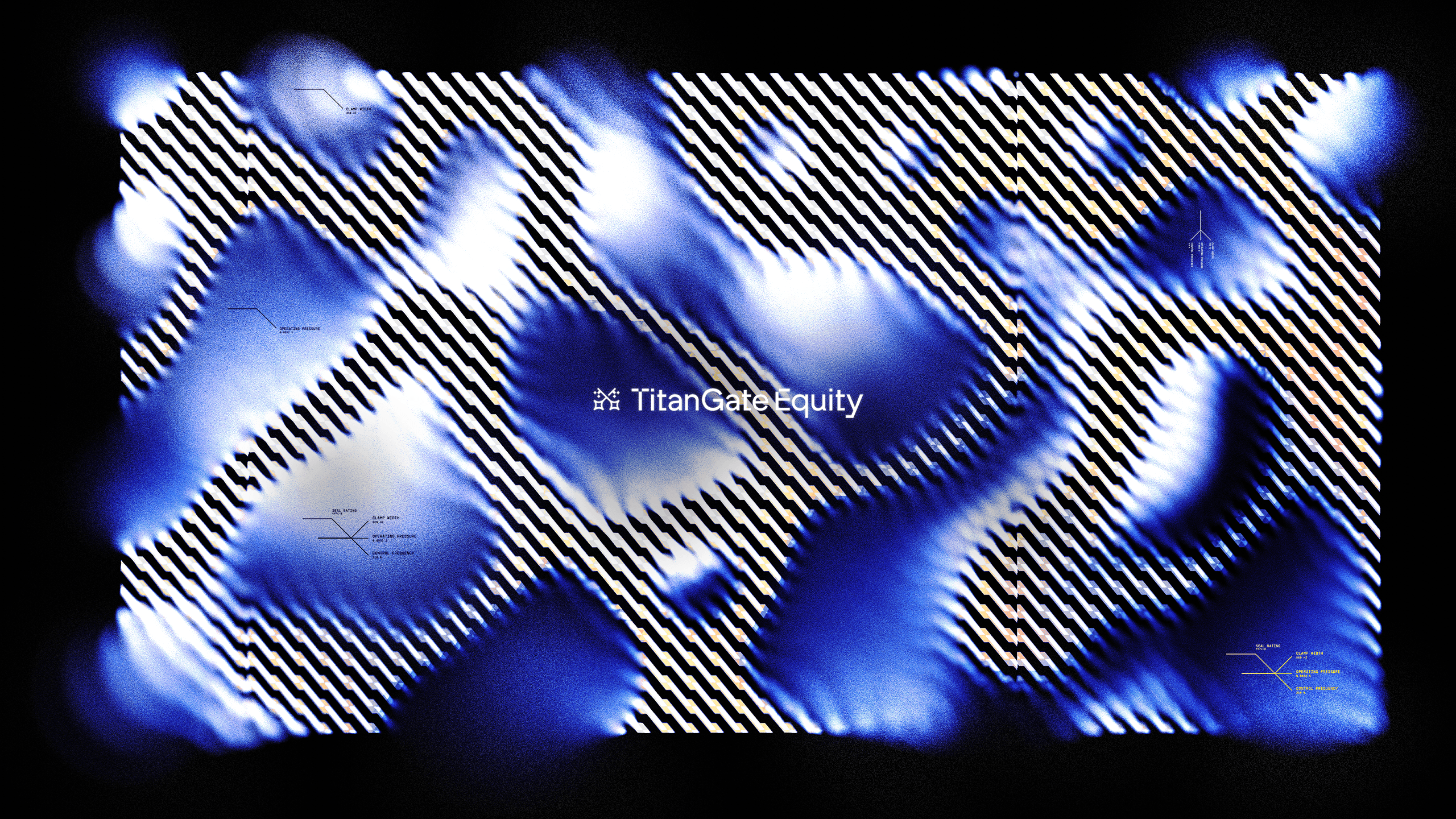
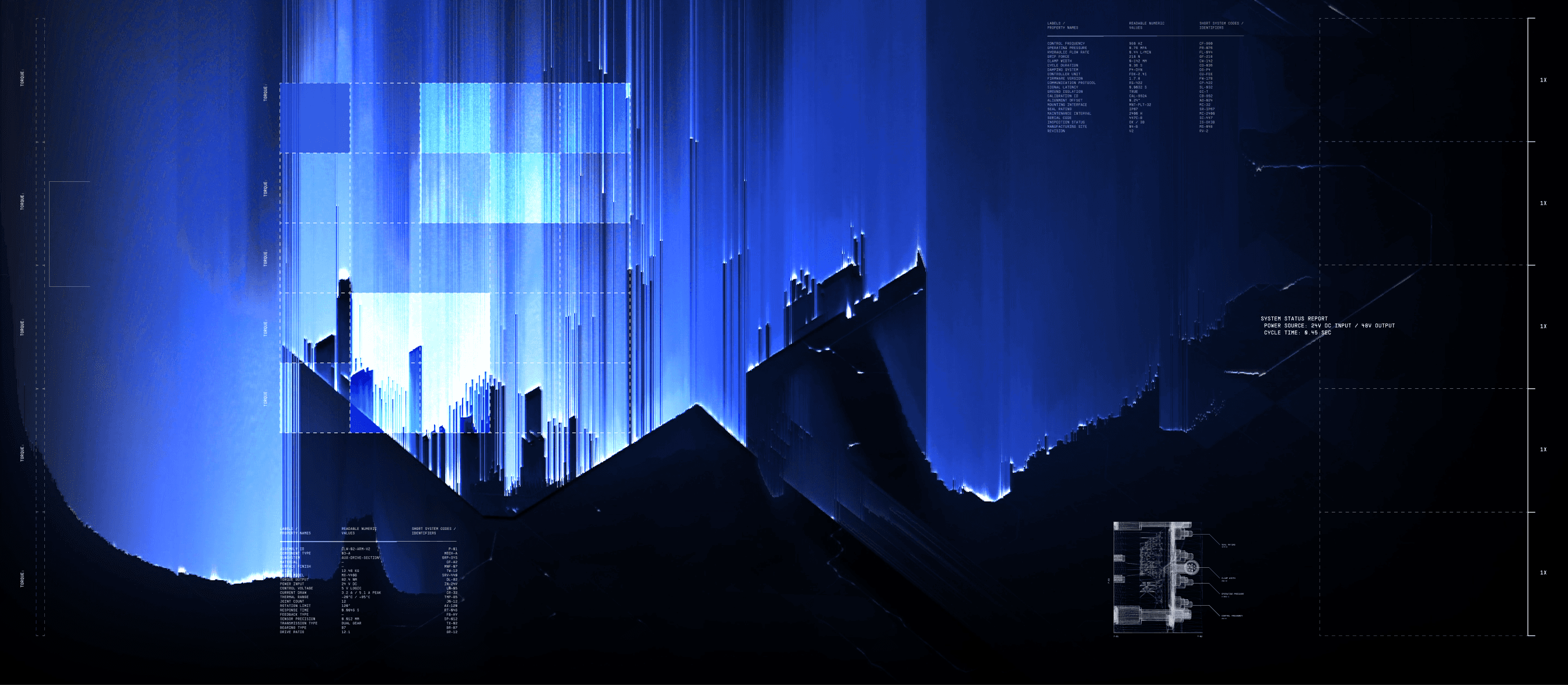
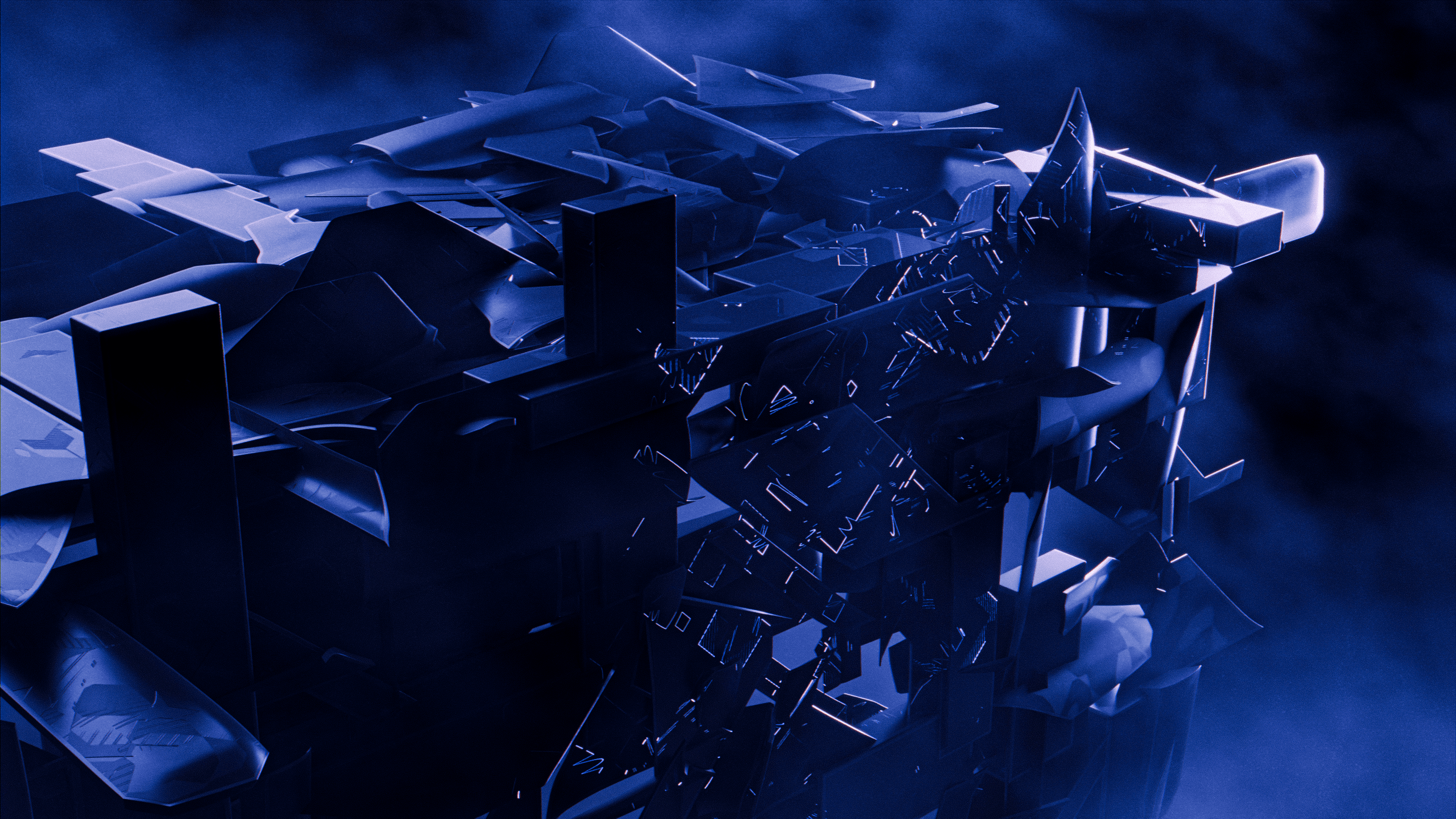
During our research process we stumbled across a technique called "False Colors". The False Color view is a diagnostic exposure tool. It remaps brightness (luminance) values in your render into a color gradient - usually blue for dark areas, green and yellow for mid-tones, and red or white for highlights. It’s mainly used in film and lighting workflows to check if a scene is correctly exposed.
We reimagined The False Color tool as a creative instrument rather than a diagnostic one. We were able to customize it into a controllable gradient system driven by the render’s own light data.
This approach transformed exposure information into a living color field — a gradient that flowed through the surfaces like heat or energy. By carefully adjusting render samples and resolution scaling, we preserved a subtle amount of noise and texture, giving the visuals a tactile, impressionistic quality. The result was a look that felt both analytical and painterly, extending the project’s balance between precision and emotion.
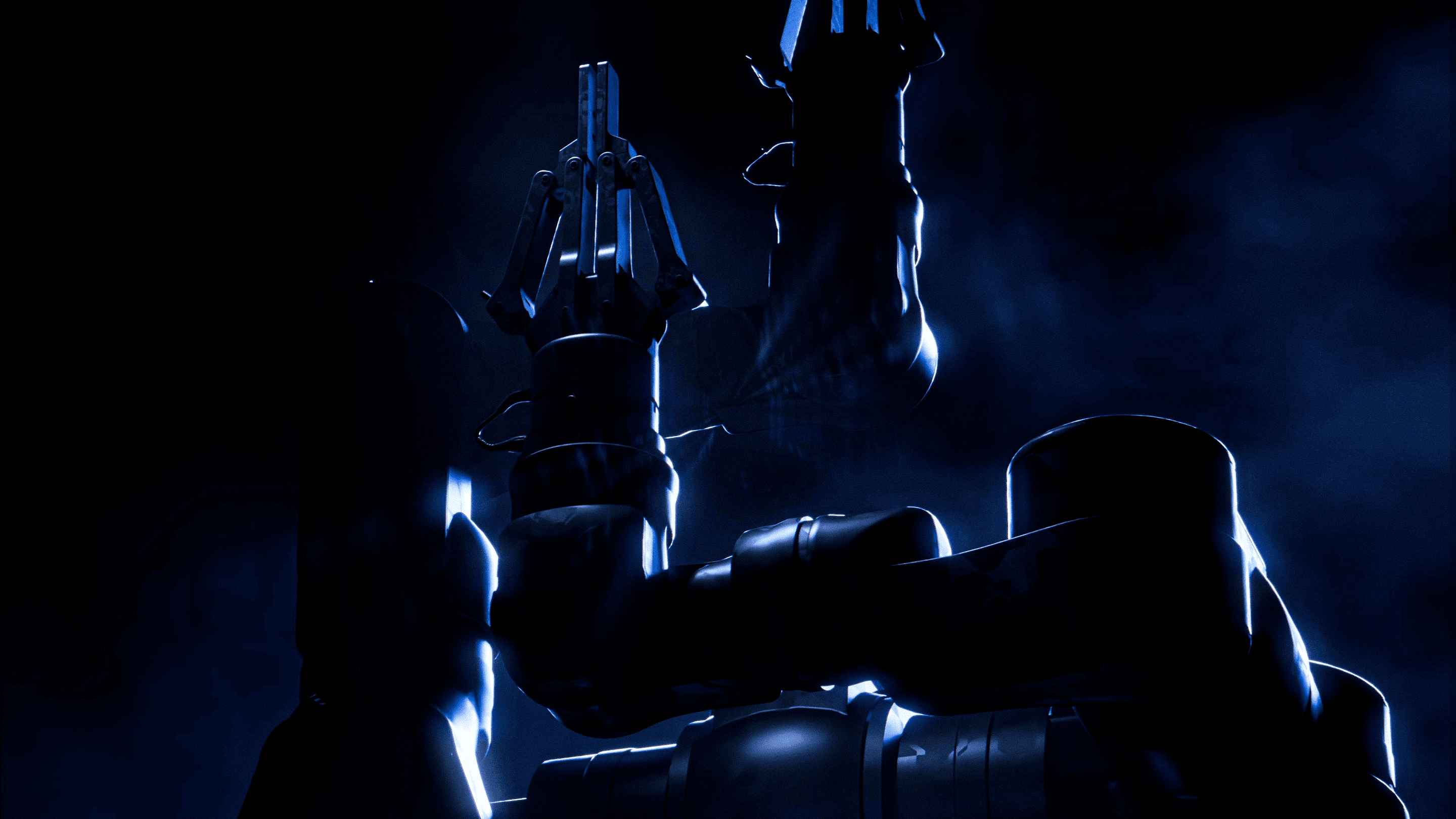
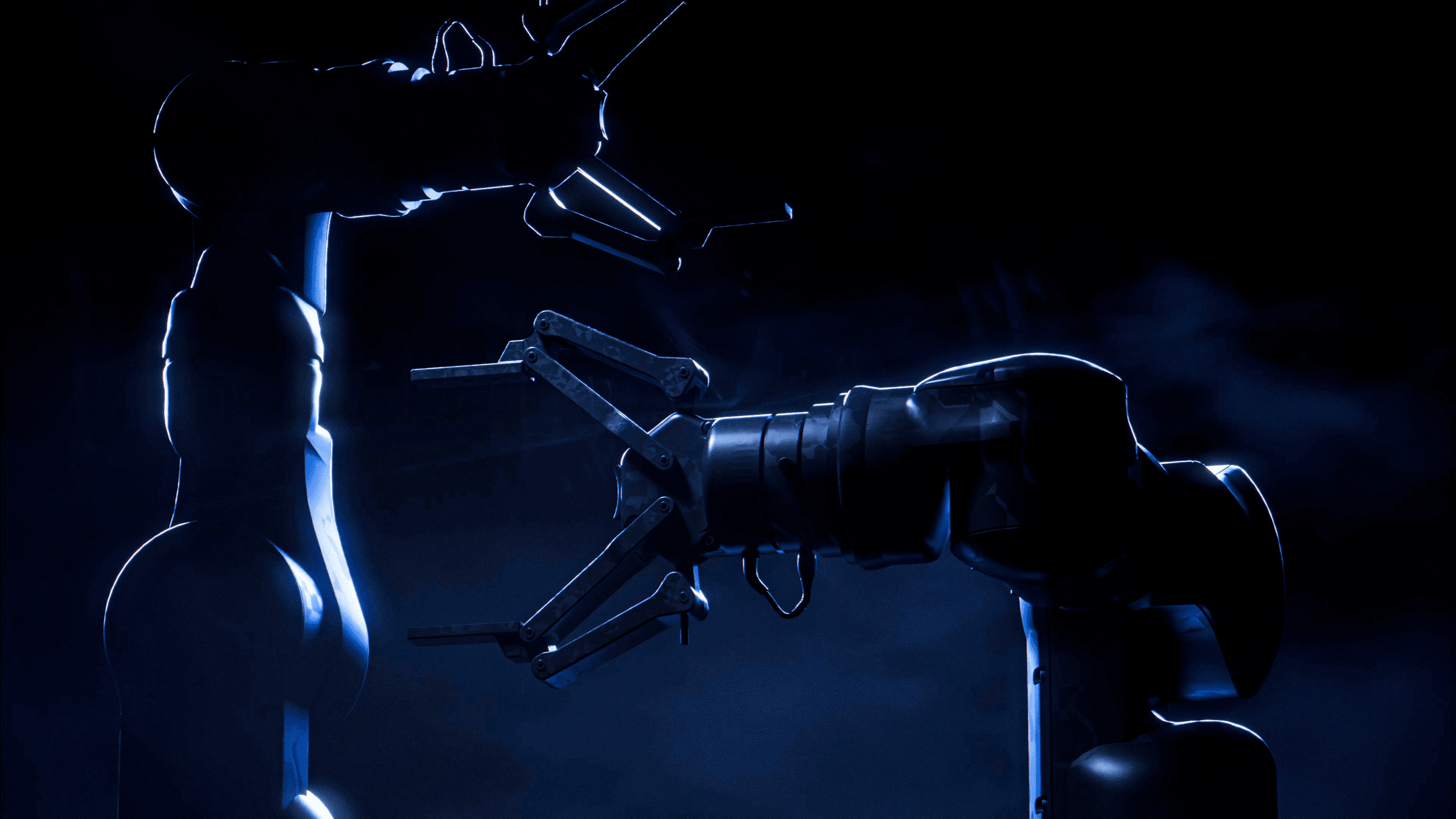
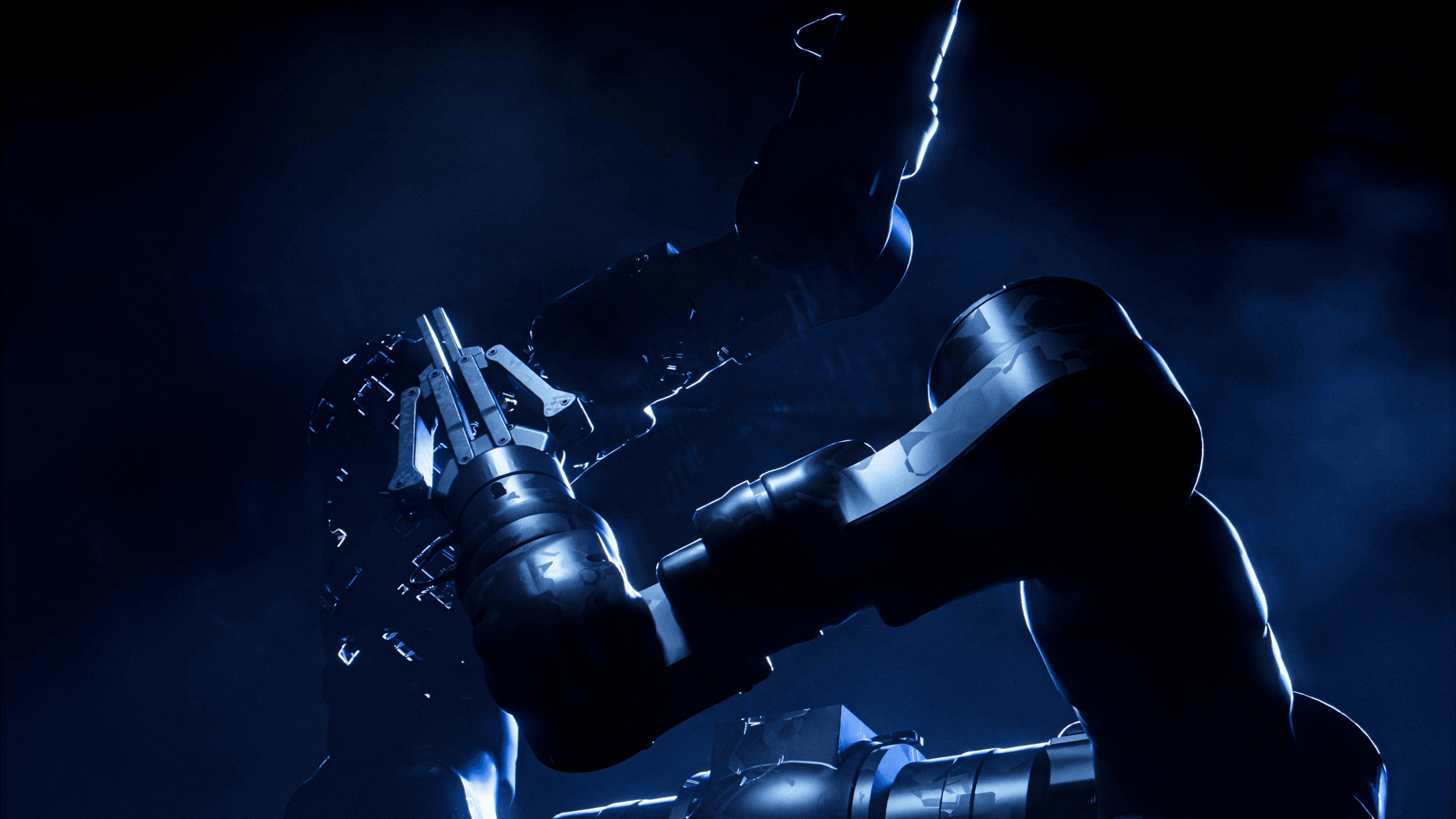
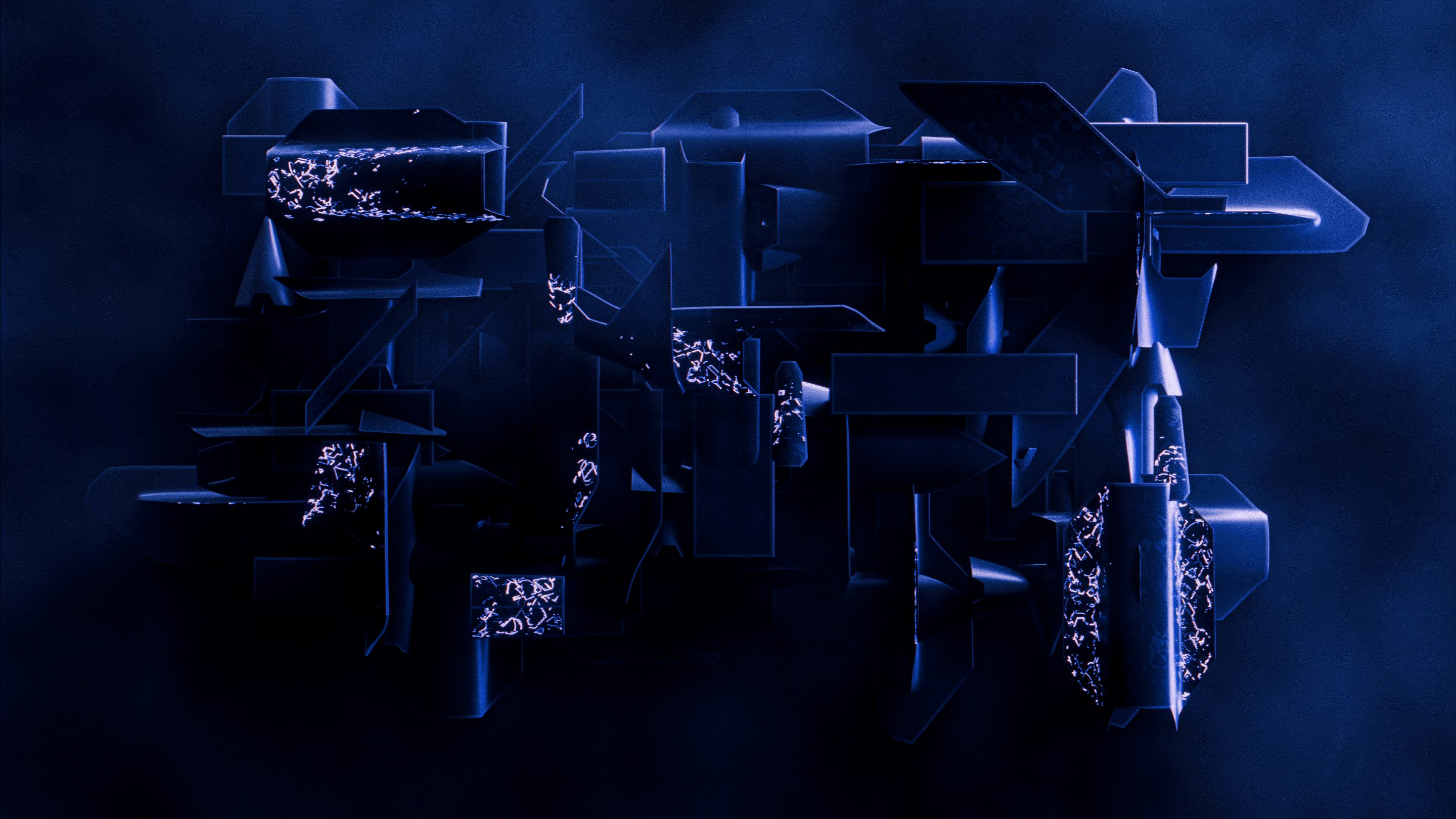
We developed a suite of bespoke 3D assets that translate their investment focus into clear visual signals:
Fighter Jet - Symbolizes next-generation defense and aerospace
CPU - Represents artificial intelligence and compute infrastructure
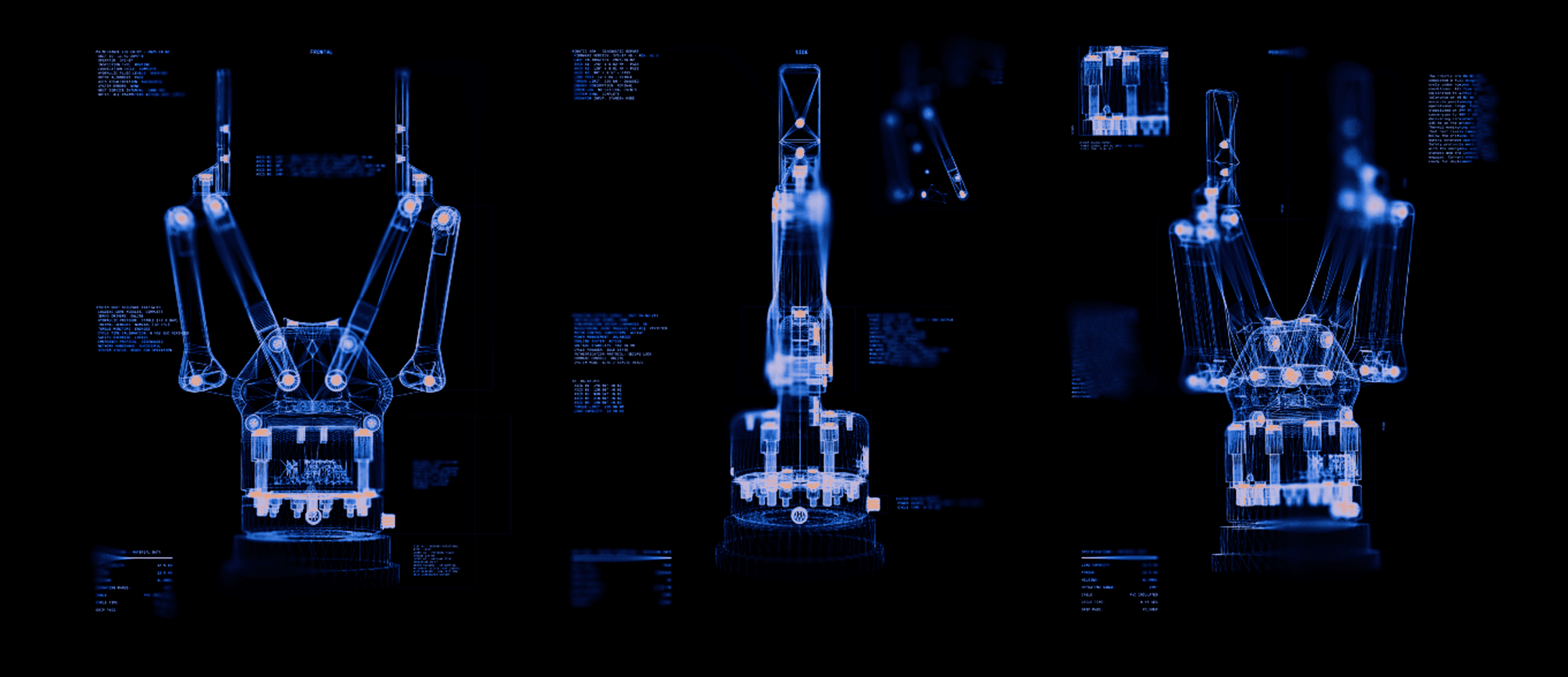
Robotic Arm - Stands for automation and advanced manufacturing
The Fighter Jet
The core of the project centered around the creation of a custom drone-inspired jet, designed to feel like a piece of next-generation defense technology. Early research revealed that the sleek, high-tech aesthetic common to modern unmanned aircraft relies heavily on curved geometry, precise paneling, and layered bevels - a combination that creates visual tension between aerodynamics and engineered control
Initial procedural modeling tests in Houdini proved inefficient, so we pivoted to a more direct, hard-surface modeling approach, prioritizing control and predictability. The jet was built destructively, panel by panel, allowing us to sculpt each curve and bevel with precision.
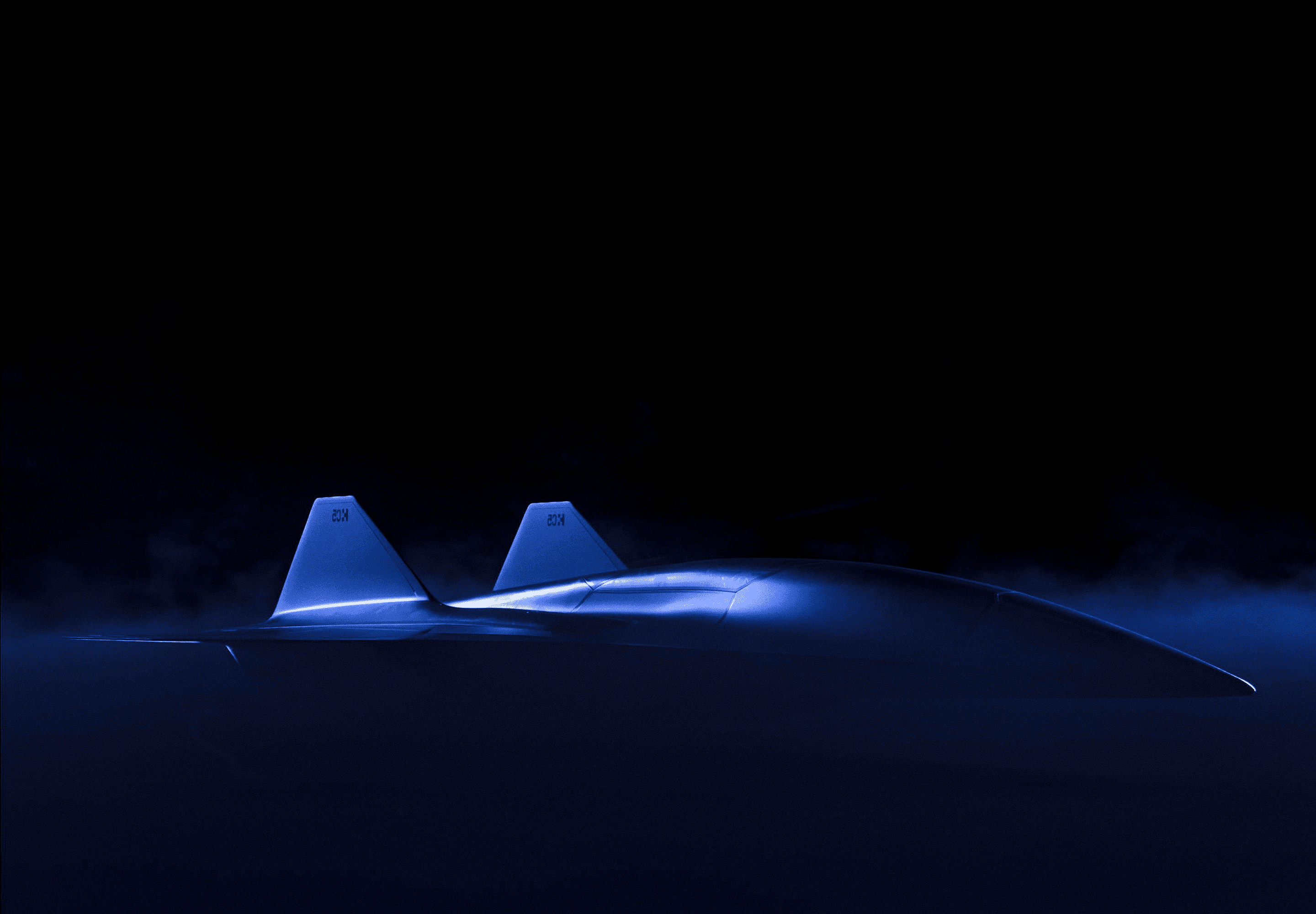
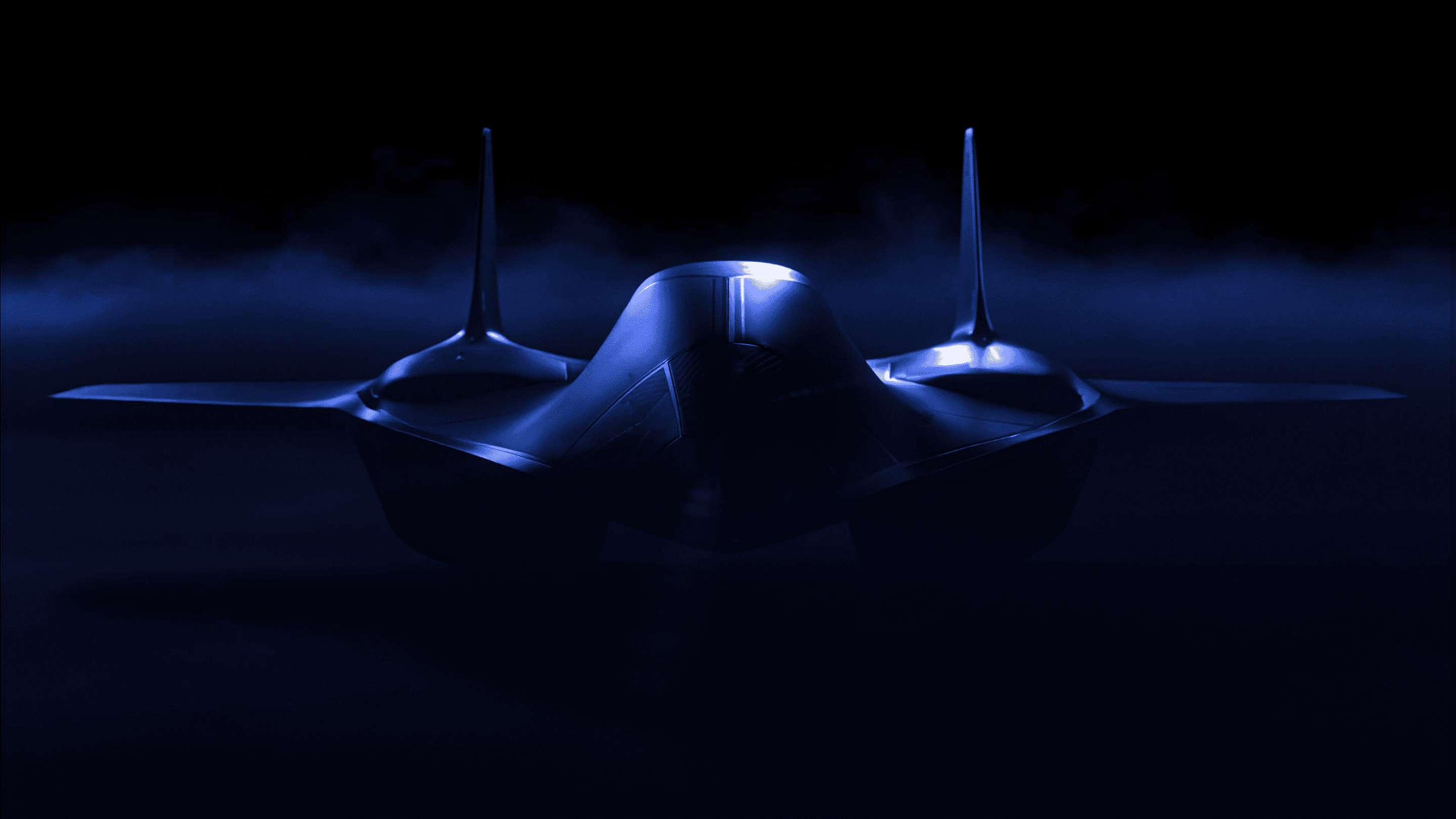
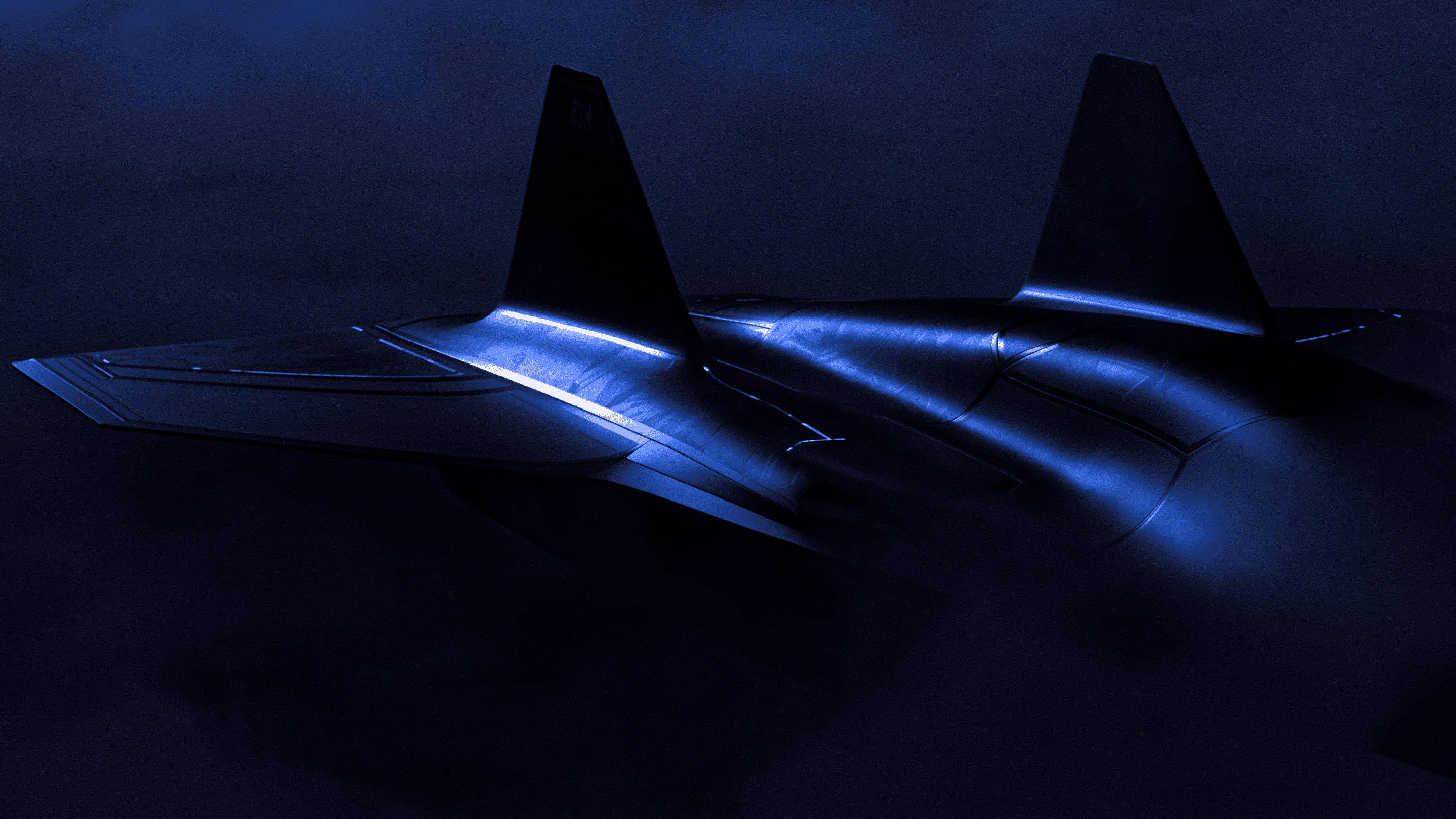
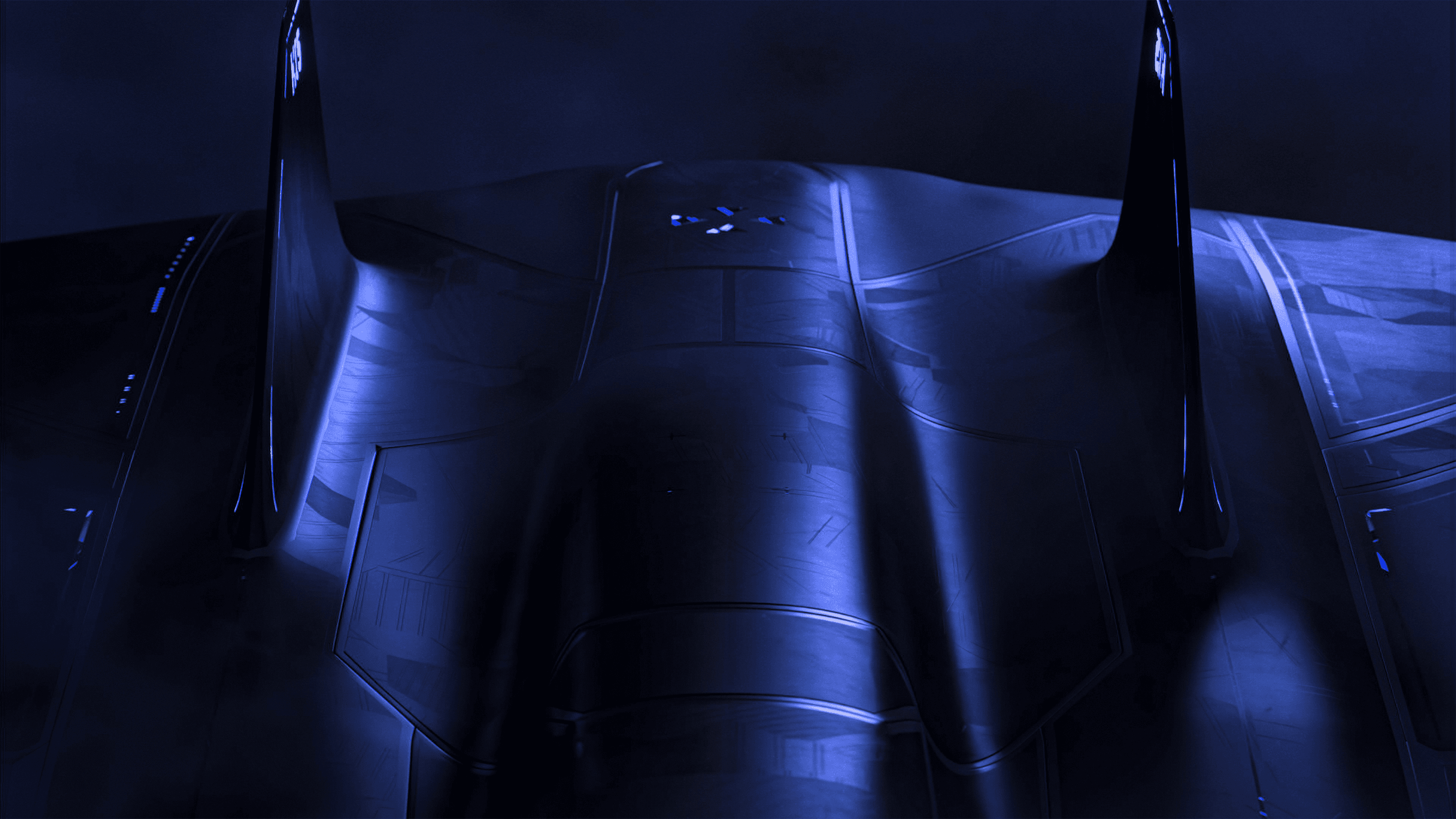
To achieve the distinctive layered look, we developed a foil system - secondary meshes generated from the panel geometry using modifiers like solidify and shrinkwrap.
Research & Development
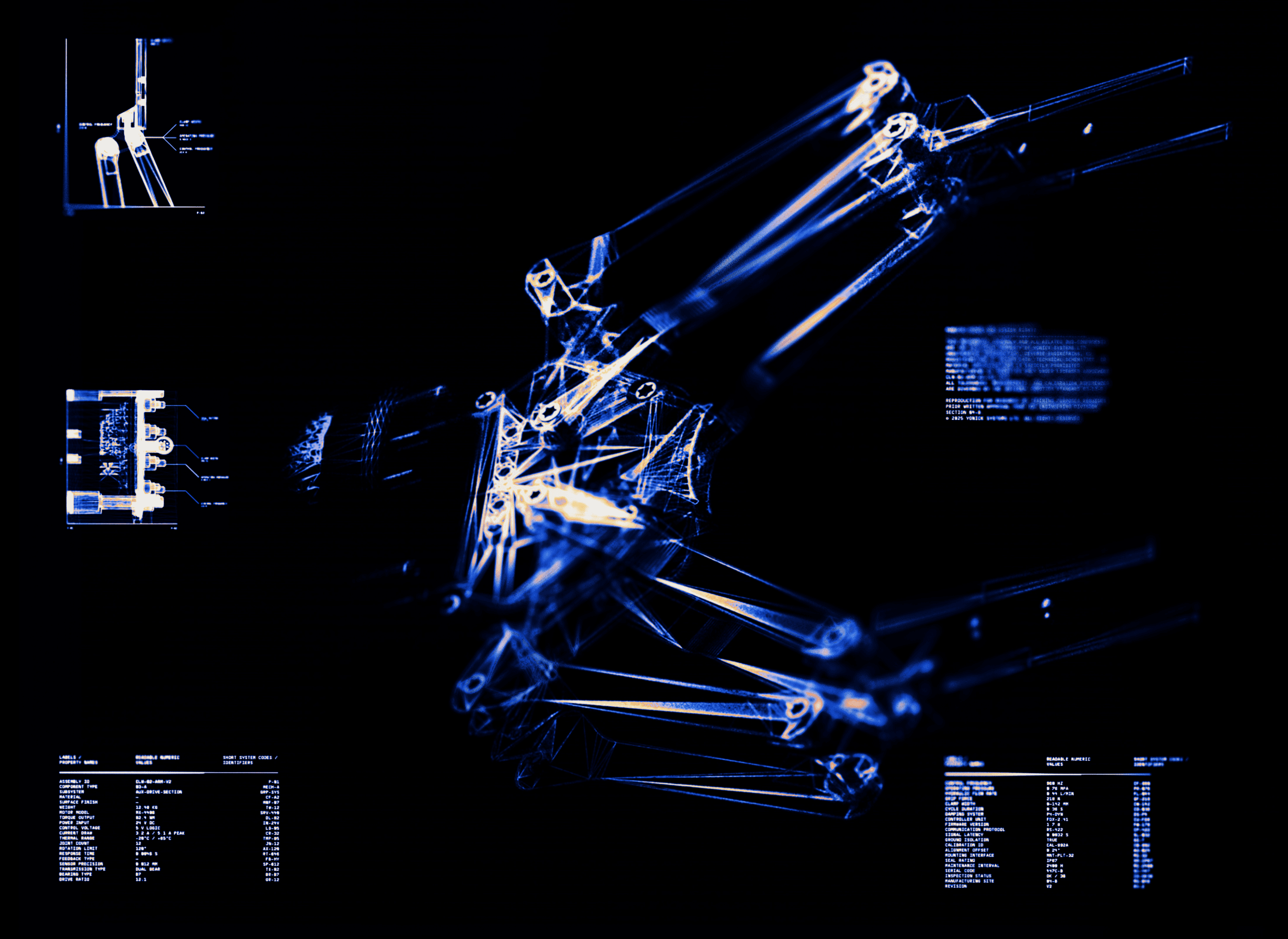
We combined 3D, graphic design, and compositing into a single iterative process - rendering the robotic arm, layering 2D interface graphics over it, and then running the composition through the False Color system.
The result was a hybrid visual language. The heatmap-like gradients introduced depth and temperature to the image, while the overlaid schematics grounded it in precision and control. This cross-disciplinary approach allowed us to merge the analytical with the aesthetic, turning technical documentation into a cinematic experience.